

How to Accommodate Dietary Preferences at Your Restaurant
More diners are looking for vegan, gluten-free, vegetarian, and alcohol-free options than ever before. Learn how restaurants can accommodate dietary preferences, improve customer satisfaction, and attract more repeat business in 2026.
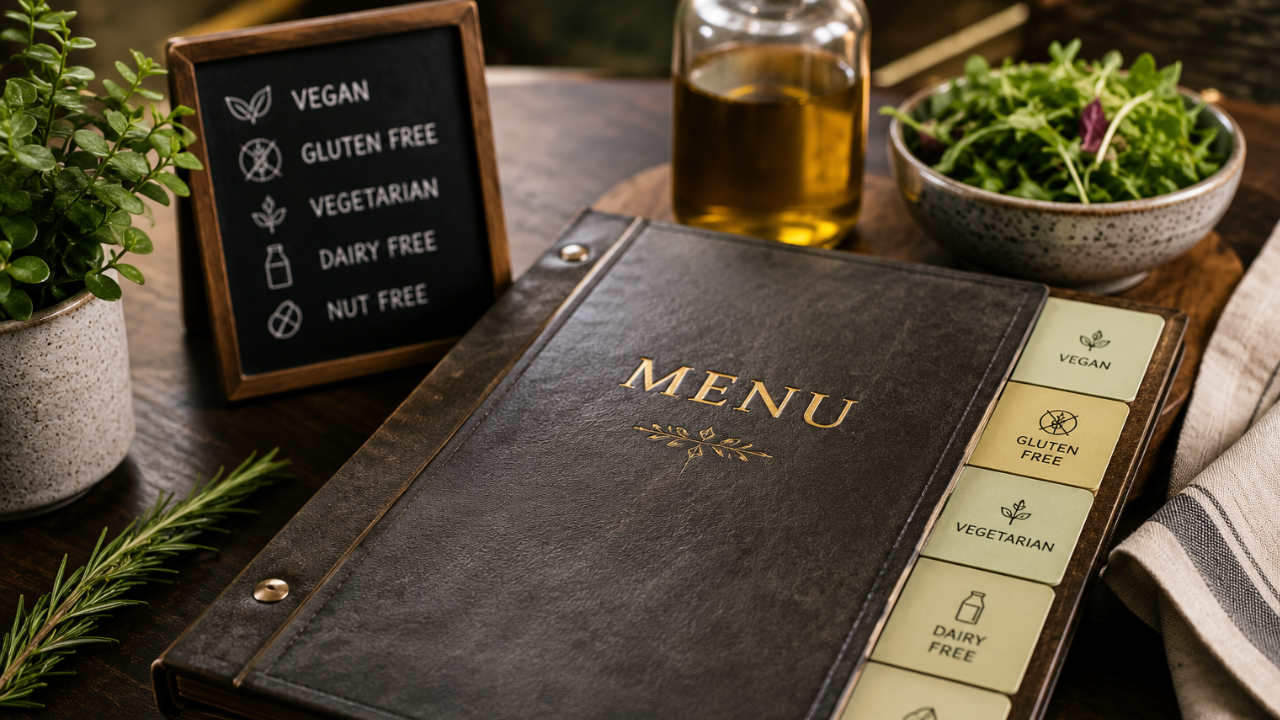
Today’s restaurant guests expect more than great food, they expect flexibility.
Whether a customer is vegan, gluten-free, vegetarian, following a low-carb diet, avoiding alcohol, or managing food allergies, accommodating dietary preferences has become an important part of delivering exceptional hospitality.
The good news is that you don’t need to redesign your entire menu to serve a wider audience. Small adjustments can make a significant difference while helping your restaurant attract new customers and increase repeat visits.
Here are practical ways to make your restaurant more welcoming for every guest.
Make Dietary Accommodations Part of Your Customer Service
Guests should never feel like they’re inconveniencing your staff when asking about dietary restrictions.
Train employees to respond confidently and positively when customers ask questions about ingredients or substitutions.
Simple phrases such as:
- “Absolutely, let’s see what we can do.”
- “We have several options that may work for you.”
- “I’ll double-check with the kitchen to be sure.”
help guests feel welcomed and appreciated.
Excellent hospitality starts with making every customer feel comfortable.
Clearly Label Your Menu
One of the easiest improvements you can make is adding clear symbols to your menu.
Popular labels include:
- 🌱 Vegetarian
- 🌿 Vegan
- GF Gluten-Free
- DF Dairy-Free
- NF Nut-Free
When customers can quickly identify menu options that meet their needs, ordering becomes faster and more enjoyable.
Digital menus and QR code menus should include these labels as well.
Offer Simple Ingredient Substitutions
Many restaurants already have menu items that can accommodate different dietary preferences with small adjustments.
Examples include:
- Lettuce wraps instead of buns
- Gluten-free buns or pizza crust
- Plant-based burger patties
- Dairy-free cheese
- Vegetable substitutions
- Cauliflower rice
Offering flexible substitutions allows you to serve more customers without dramatically expanding your menu.
Take Food Allergies Seriously
Food allergies require more than ingredient substitutions.
Staff should understand:
- Cross-contamination procedures
- Ingredient lists
- Separate preparation surfaces
- Clean utensils
- Kitchen communication
Customers with severe allergies place enormous trust in your restaurant.
Proper training protects both your guests and your business.
Don’t Forget Alcohol-Free Options
Mocktails continue to grow in popularity.
Many guests choose alcohol-free beverages because of:
- Health goals
- Pregnancy
- Medications
- Religious beliefs
- Personal preference
- Designated driving
Instead of offering only soda or iced tea, consider creating a dedicated mocktail menu featuring handcrafted alcohol-free drinks.
Premium mocktails can increase beverage sales while giving every guest something special to enjoy.
Train Your Team to Answer Questions Confidently
Guests often ask:
- Is this gluten-free?
- Can this be made vegan?
- Does this contain nuts?
- What substitutions do you recommend?
Your servers should know the answers—or know exactly who to ask.
Regular menu training helps employees provide accurate information while giving customers greater confidence in your restaurant.
Listen to Customer Feedback
Pay attention to recurring requests.
If customers frequently ask for:
- Gluten-free desserts
- Plant-based entrées
- Dairy-free alternatives
- Low-carb options
- Mocktails
those requests may represent an opportunity to improve your menu.
Customer feedback often reveals trends before industry reports do.
Promote Your Dietary-Friendly Options
If you offer dietary accommodations, make sure people know about them.
Highlight them on:
- Your website
- Google Business Profile
- Social media
- Online menus
- Email newsletters
Many diners search specifically for restaurants that offer vegan, gluten-free, or allergy-friendly options.
Promoting these offerings can help your restaurant reach new customers.
Great Hospitality Means Serving Every Guest
Restaurants that embrace dietary preferences demonstrate that they care about every customer.
By offering flexible menu options, properly training your staff, clearly labeling your menu, and creating memorable dining experiences, your restaurant becomes a place where everyone feels welcome.
Those small improvements can lead to stronger customer loyalty, better online reviews, and more repeat business.
Request a free Buzztime demo today and discover how interactive entertainment can help increase guest engagement, encourage repeat visits, and create experiences that keep customers coming back, no matter what’s on their plate.