
How to Support Restaurant Employee Mental Health and Build a Stronger Team
Learn how restaurants can support employee mental health, reduce burnout, build a healthier workplace culture, and improve retention with practical leadership strategies.
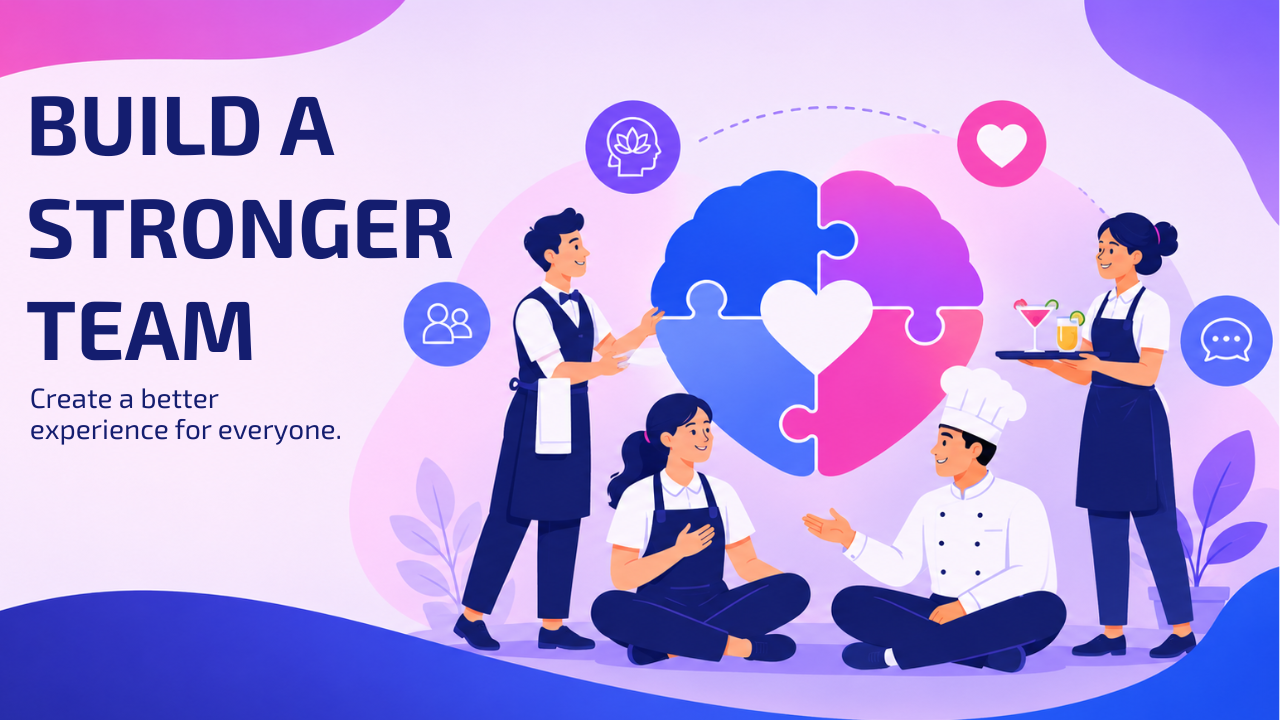
The hospitality industry is known for its fast pace, long hours, and high-pressure environment. While these challenges can create rewarding careers, they can also take a toll on employees’ mental health and overall well-being.
In recent years, restaurants have become more aware of the importance of supporting employees beyond job performance. Creating a healthy workplace isn’t just the right thing to do, it also leads to better retention, stronger teamwork, and improved guest experiences.
This updated guide expands on Buzztime’s original article by exploring practical ways restaurant owners and managers can support employee mental health and create a healthier workplace culture in 2026.
Why Employee Well-Being Matters
Restaurants depend on people.
When employees feel supported, respected, and valued, they’re more likely to:
- Deliver excellent customer service
- Stay with the company longer
- Work effectively as a team
- Handle stressful situations
- Build stronger relationships with guests
Investing in employee well-being isn’t just good for staff—it strengthens your entire business.
Recognize the Challenges of Restaurant Work
Working in hospitality can involve:
- Long shifts
- Late nights
- Busy weekends
- Physically demanding work
- High-pressure service periods
- Emotional interactions with guests
Acknowledging these realities helps managers better understand the support their teams may need.
Create a Culture of Open Communication
Employees should feel comfortable discussing workplace challenges without fear of judgment.
Managers can encourage healthy communication by:
- Holding regular one-on-one check-ins
- Asking for employee feedback
- Listening without interrupting
- Addressing concerns promptly
- Maintaining confidentiality when appropriate
A supportive environment begins with trust.
Promote Healthy Work-Life Balance
Burnout remains one of the biggest challenges in hospitality.
Whenever possible, restaurants should:
- Build fair schedules
- Encourage employees to take breaks
- Honor requested time off
- Avoid excessive overtime
- Rotate demanding shifts
Employees who have time to recharge often perform better during service.
Encourage Positive Team Activities
Strong relationships outside of busy shifts can improve morale.
Consider organizing activities such as:
- Team lunches
- Volunteer events
- Friendly sports competitions
- Fitness challenges
- Staff appreciation days
- Skill-building workshops
These activities strengthen teamwork while helping employees connect in a positive environment.
Invest in Professional Development
Employees are more engaged when they see opportunities for growth.
Offer training in areas such as:
- Leadership
- Customer service
- Bartending
- Wine knowledge
- Food safety
- Management development
Helping employees build new skills demonstrates your commitment to their future.
Normalize Conversations About Mental Health
Mental health should be treated with the same importance as physical health.
Managers can:
- Share available support resources
- Encourage employees to seek help when needed
- Lead by example
- Avoid stigmatizing conversations
- Foster a respectful workplace
Reducing stigma makes it easier for employees to ask for support before challenges become overwhelming.
Celebrate Wins—Big and Small
Recognition has a significant impact on morale.
Celebrate:
- Outstanding service
- Work anniversaries
- Promotions
- Personal achievements
- Team successes
- Positive guest reviews
Simple recognition helps employees feel appreciated and motivated.
Train Managers to Lead With Empathy
Restaurant managers set the tone for the entire workplace.
Effective leaders:
- Communicate clearly
- Remain approachable
- Handle conflict respectfully
- Offer constructive feedback
- Recognize stress before it escalates
Strong leadership creates healthier, more resilient teams.
Technology Can Reduce Workplace Stress
Modern restaurant technology helps reduce repetitive tasks and operational friction.
Examples include:
- Digital scheduling
- Mobile communication tools
- Online training platforms
- Inventory management software
- Automated reporting
- Guest entertainment systems
By streamlining daily operations, technology allows employees to focus more on hospitality and less on administrative tasks.
How Buzztime Helps Create a More Positive Workplace
An enjoyable workplace benefits both employees and guests.
Buzztime helps create an energetic atmosphere where staff can engage with customers through fun, interactive entertainment rather than simply processing orders.
With Buzztime, your venue can offer:
You’ll also have access to:
- Professionally written trivia content
- Automatic scoring
- Live leaderboards
- Smartphone gameplay
- Optional Buzztime tablets
- TV integration through the Buzztime Game Room
Interactive entertainment creates memorable guest experiences while giving employees another way to connect with customers and enjoy their shifts.
Create a Workplace Employees Love
Happy employees create memorable guest experiences.
Request a free Buzztime demo today and discover how interactive trivia, arcade games, bingo, poker, and Predict the Pulse can help your restaurant build stronger customer engagement while creating a more enjoyable environment for both guests and staff.